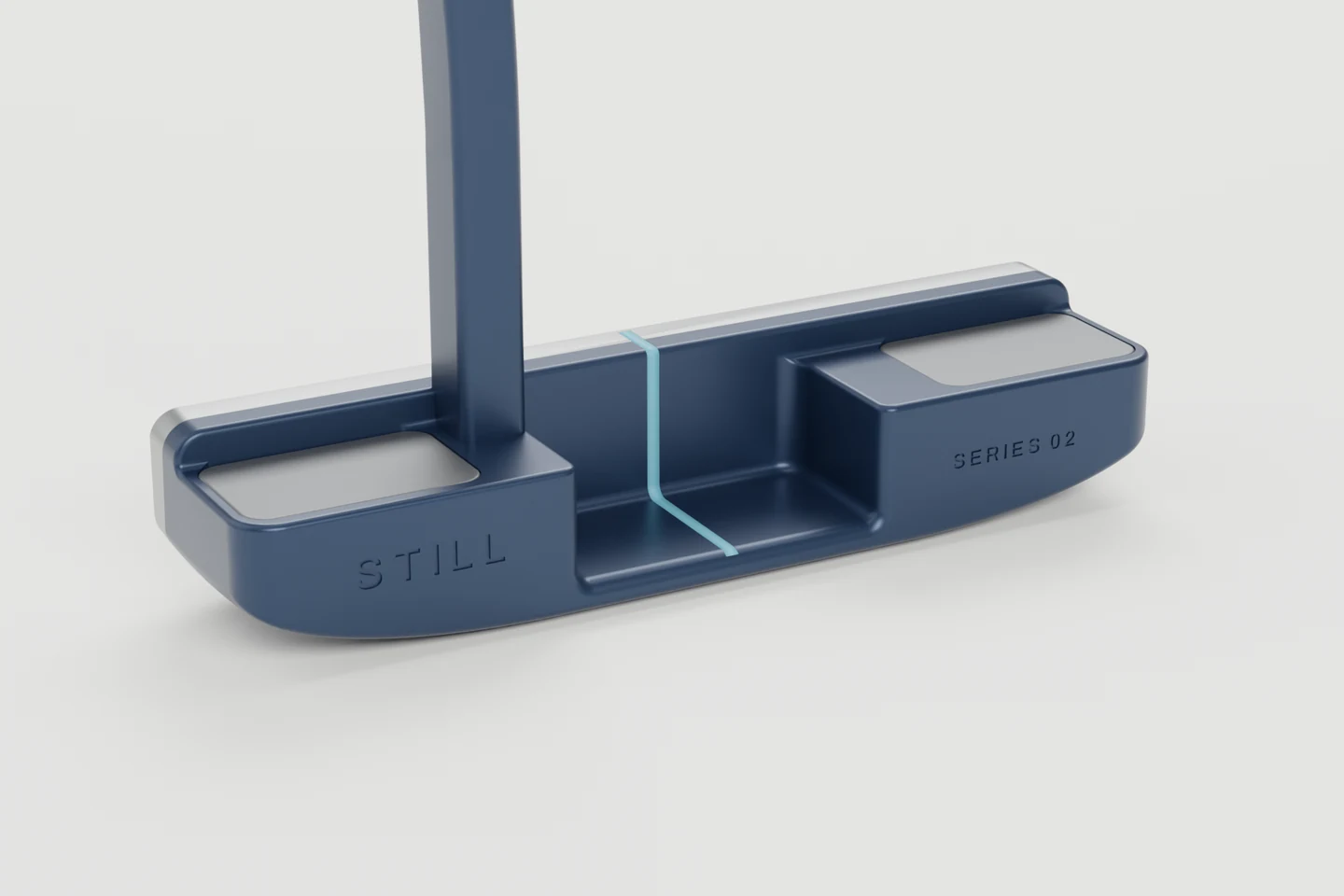
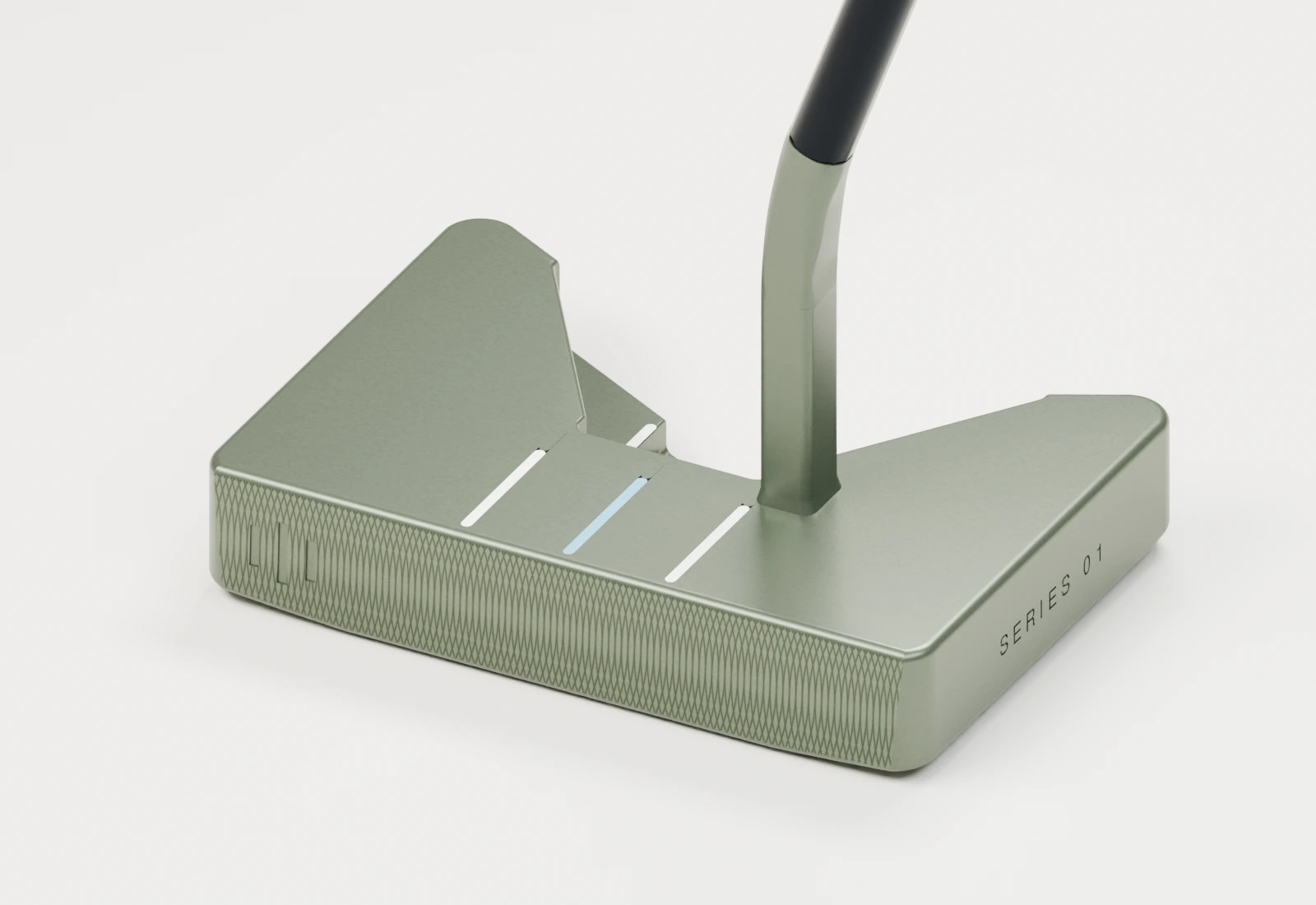
What zero torque changes in a putter
A practical explanation of shaft-axis balance, face rotation and the limits of putter design.
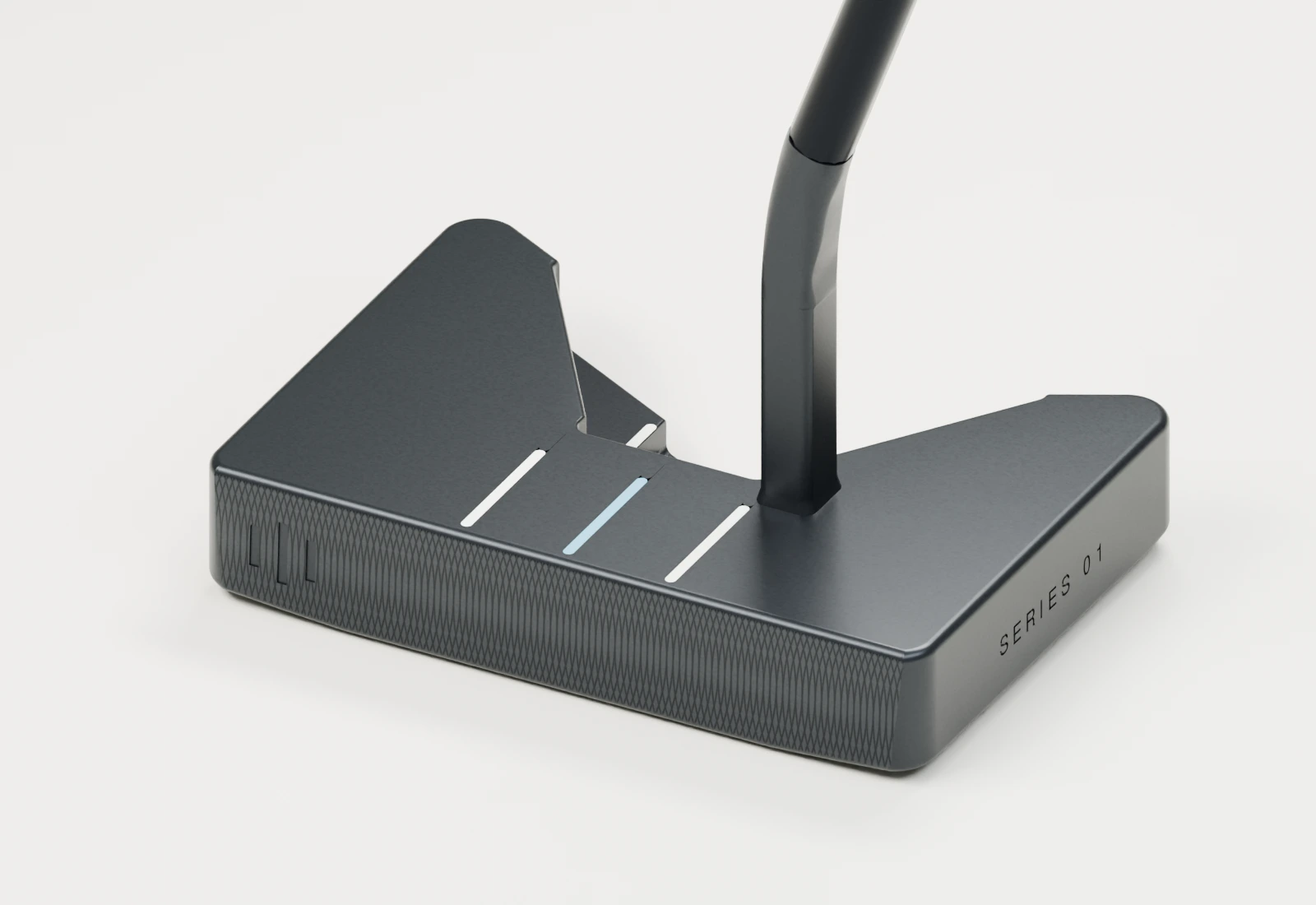
Zero torque describes a narrow engineering target: reduce the twisting moment created by the assembled club’s own mass around the shaft axis.
The basic relationship
A putter head has a centre of gravity. The club also has a shaft axis. When the centre of gravity sits away from that axis, gravity can create a moment that encourages the head to rotate when the club is free to move.
That moment is the core of what torque means in a putter. It is separate from moment of inertia, which describes how strongly the head resists a change in rotation around a chosen axis.
A zero-torque design tries to bring those two references together. When the alignment is good, the head has less inherent preference to rotate around the shaft because of its own weight.
What the player may feel
The design can make the head feel quieter during the stroke. There may be less sensation of the face wanting to open or close as the club changes direction. For some players, that reduces the amount of manipulation they feel they need from the hands.
The balance belongs to the assembled club. The shaft, hosel, grip and final mass distribution all influence the result.
What remains with the player
A balanced head cannot read the green, choose pace, aim the face or return the putter to impact for you. You can still push, pull, mishit or misread a putt with a zero-torque design.
The player can use an arc, a more linear motion, or something between the two. The design targets one passive source of rotation around the shaft axis while leaving the player free to organise the path.
Why physical validation matters
Computer-aided design can predict mass, centre of gravity and moment of inertia. The finished putter still needs to be measured as an assembly. Manufacturing tolerances, real components and adhesive all move mass by small amounts.
STILL therefore treats zero torque as a measurable engineering target. The claim belongs to the physical club only after the balance test agrees with the model.
The STILL Workshop sets out the development stages and the prototype checks planned before production.
The useful question
Test whether the balance makes your normal stroke easier to repeat. A real green gives the useful answer.