PRACTICE 3 MIN
30 Aug 2026
The start-line gate drill
A ten-minute putting exercise that separates face control from green reading and speed.
Practice better. Understand the tools. Play with intent.
Evergreen exercises, equipment explanations and useful details from around the game.
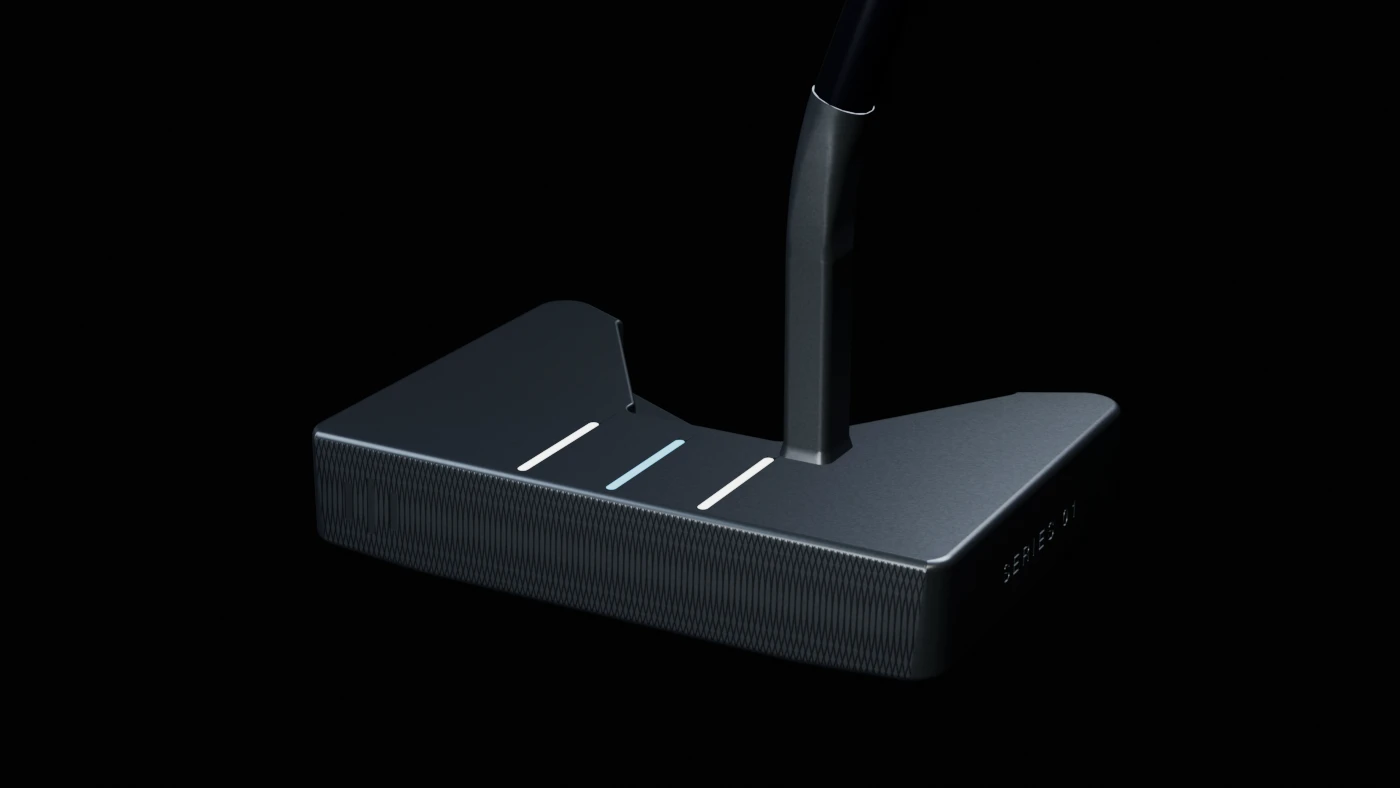
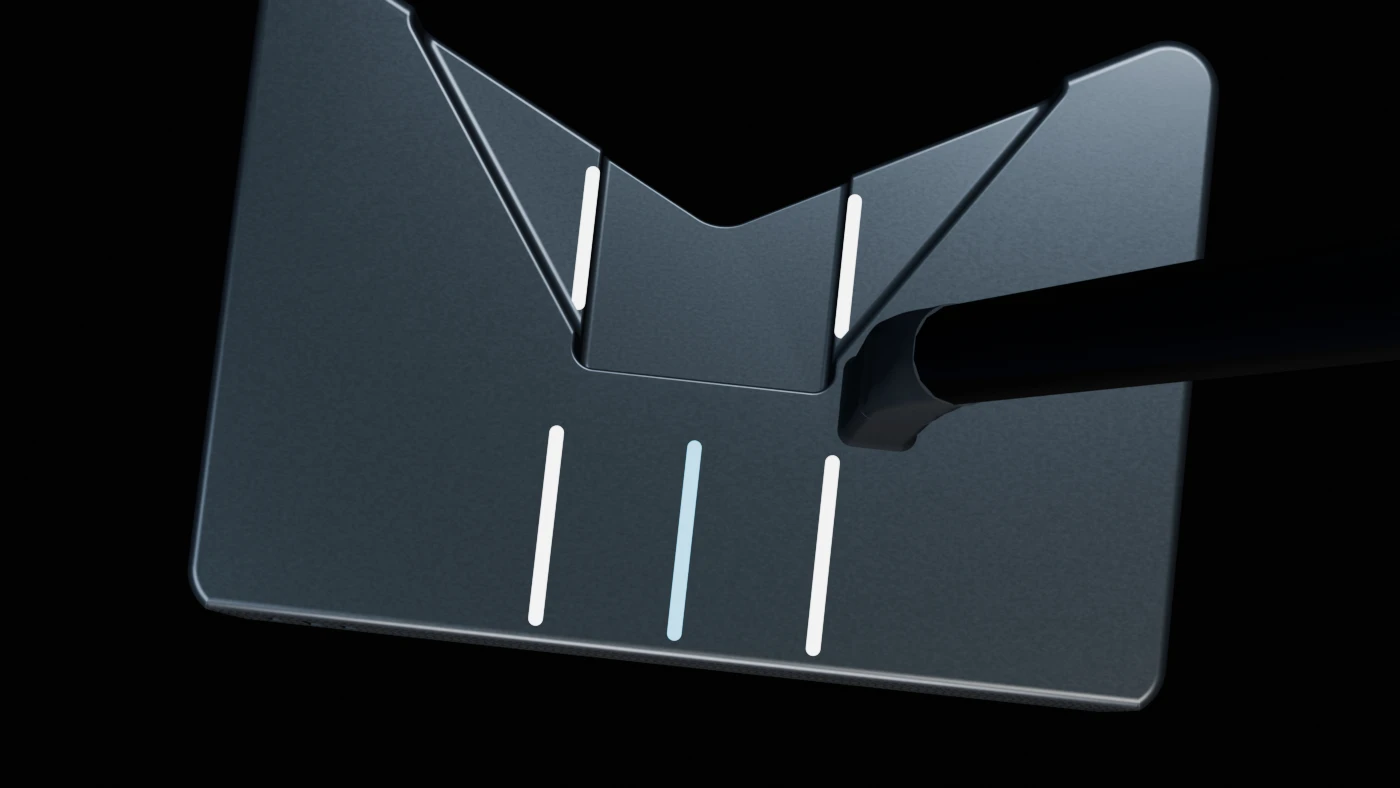
Compare blade and mallet putters through geometry, mass distribution, MOI, alignment and the way each shape fits your aim and stroke.
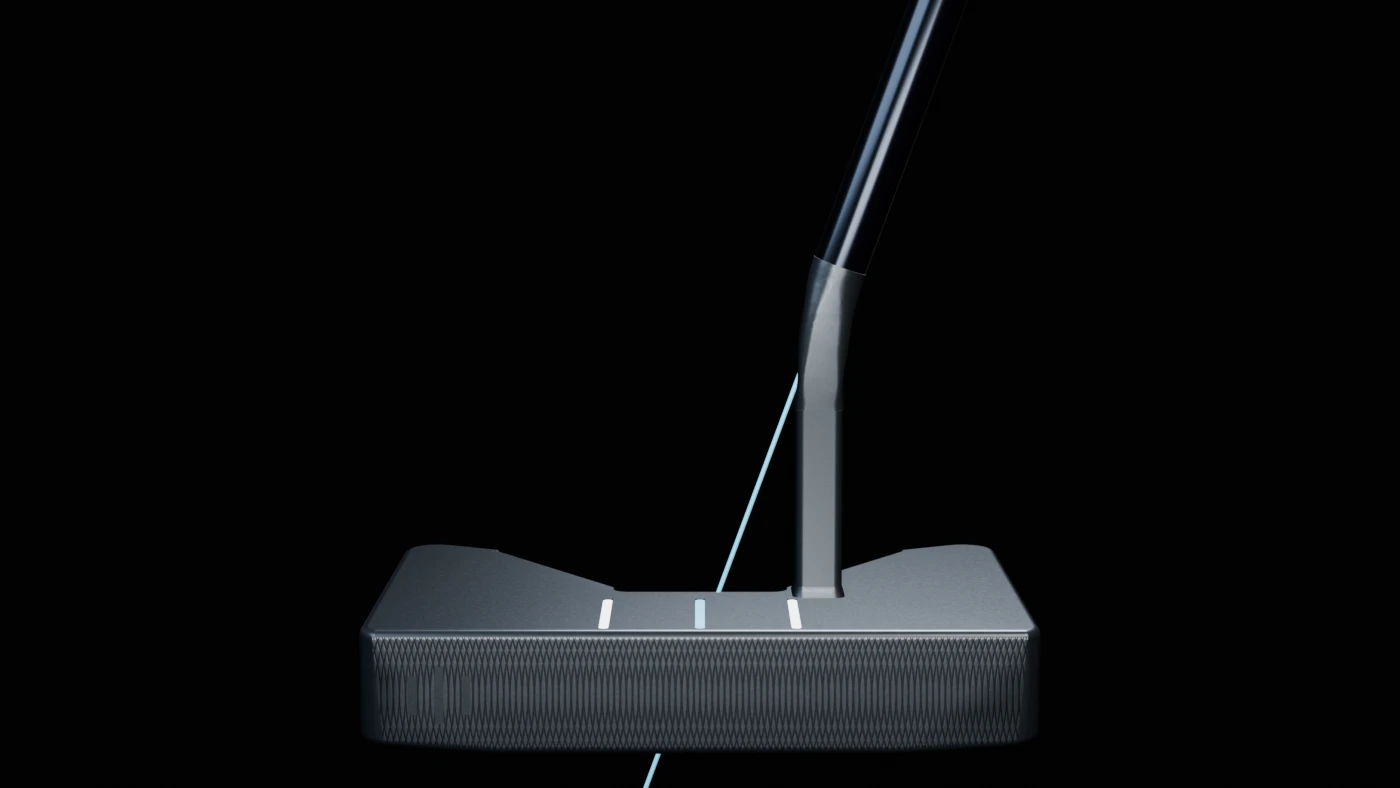
A clear comparison of putter balance types, how each is measured, and what face balance, toe hang, and zero torque can predict about a stroke.
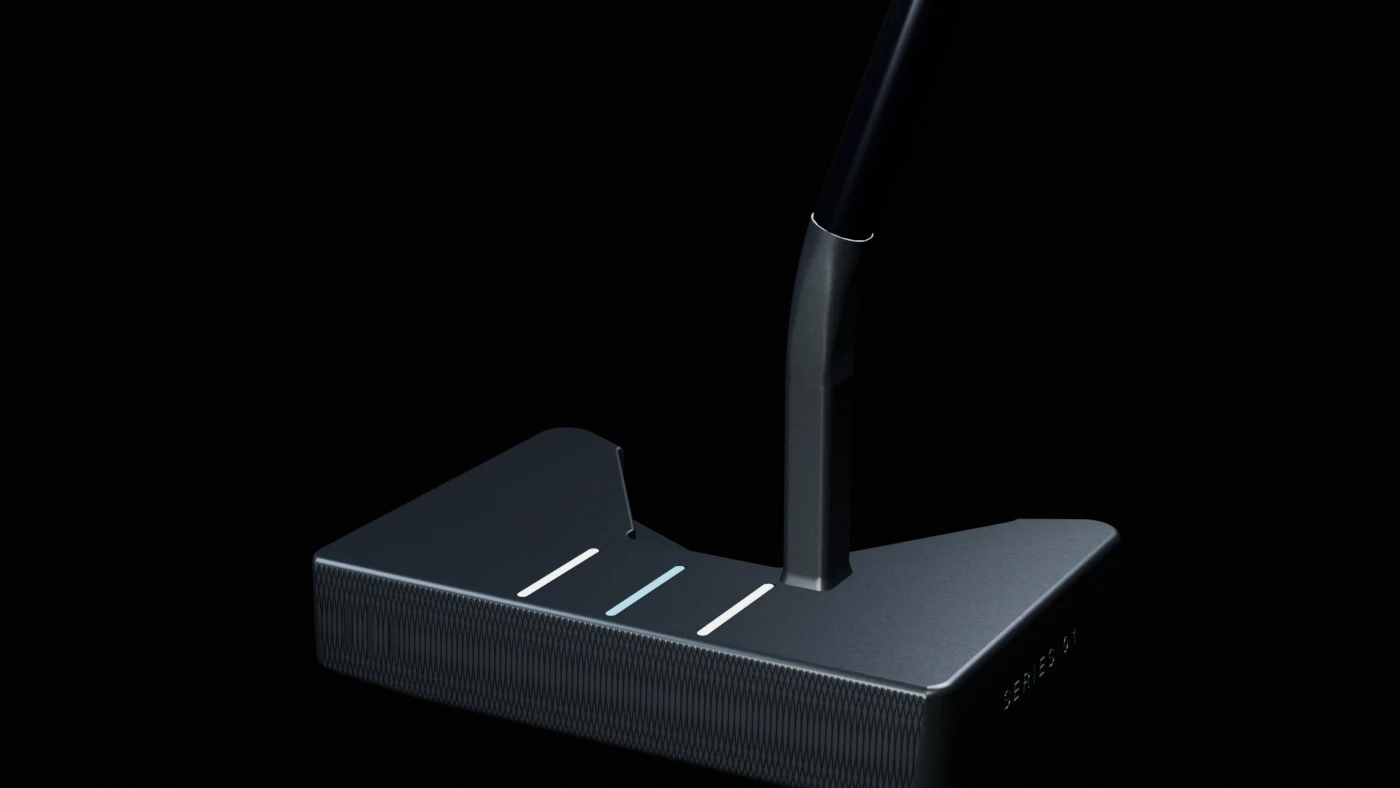
A practical at-home process for choosing putter length through posture, eye line and sole position, including how 34 and 35 inches compare.
A practical green-reading routine using slope, fall line, speed and high-side and low-side observations to choose start line and pace.
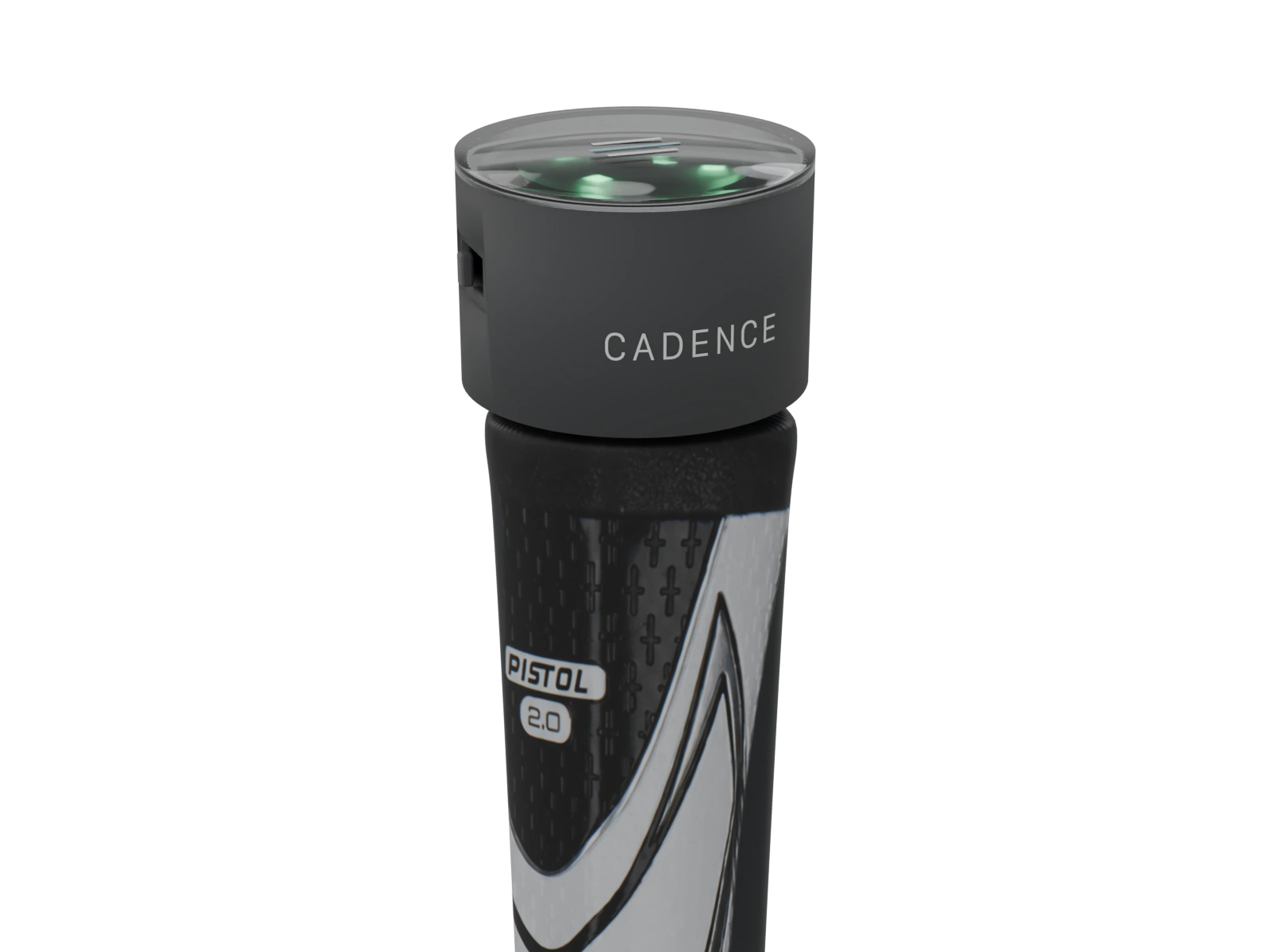
How putter grip size, shape and weight affect hand action, face awareness and swing feel, with a practical fitting process.
Putter lie angle changes how the shaft, sole, and lofted face sit at address and impact. Learn toe-up and heel-up effects, setup causes, and fitting signs.
Putter loft influences launch, skid, and early roll. Learn the difference between static and dynamic loft, how setup changes delivery, and why fitting matters.
A short routine for restoring the green while keeping the repair legal, quick and effective.
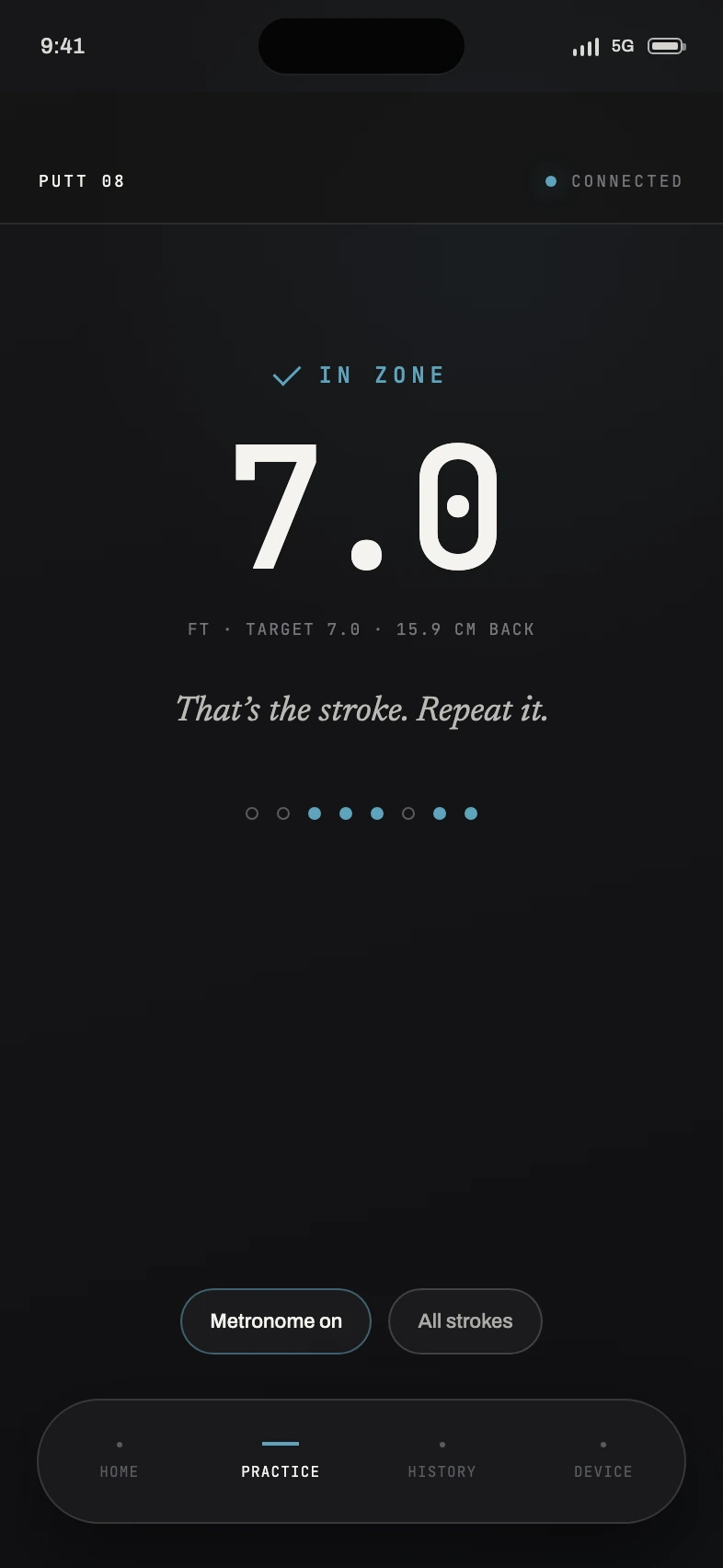
A repeatable 20-minute putting session for start line, distance control, green reading and pressure, with an exact protocol and simple scores.
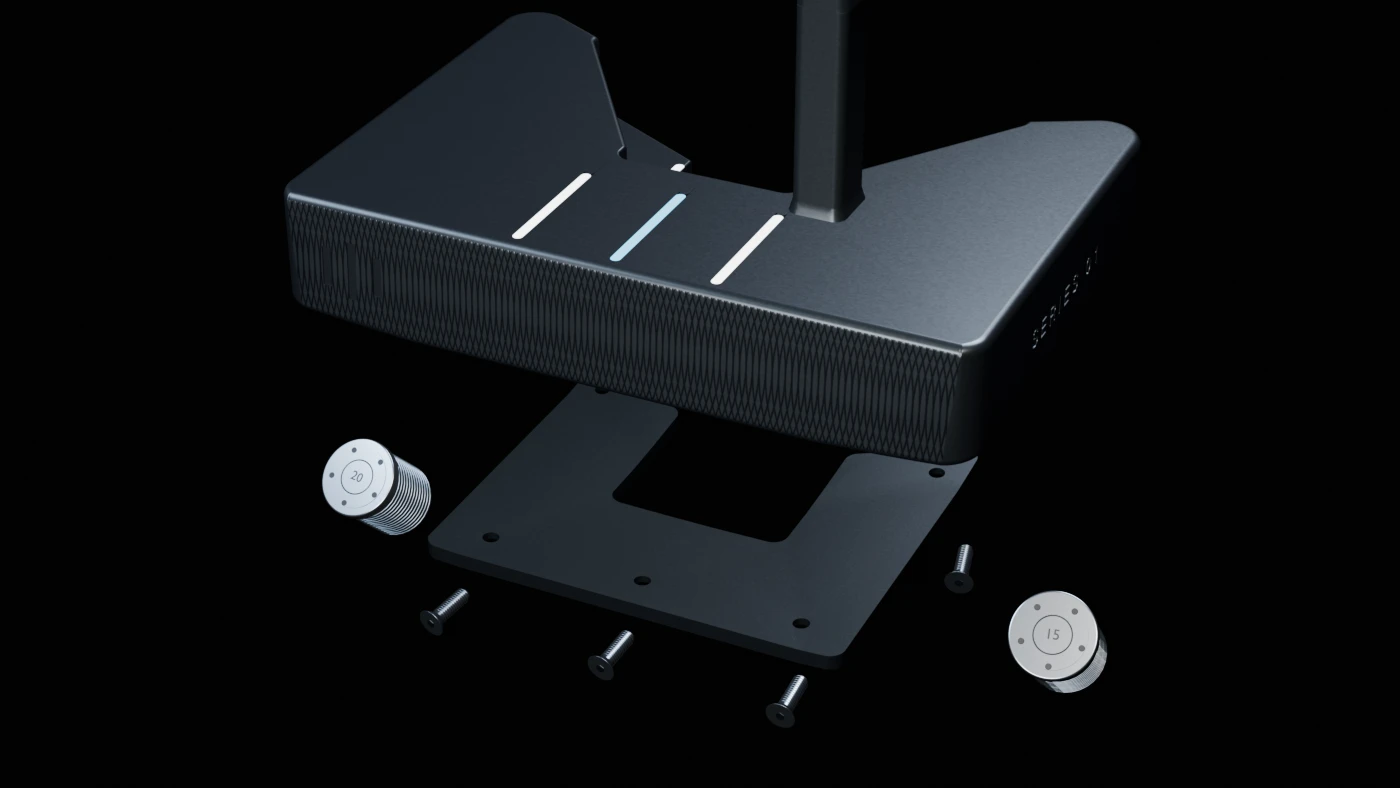
Putter MOI measures resistance to rotation around a stated axis. Learn how it affects off-centre strikes, how it is measured, and why context matters.
Torque is the turning effect created when a force acts away from an axis. Here is what creates it in a putter and how it differs from shaft torque and MOI.
A practical explanation of shaft-axis balance, face rotation and the limits of putter design.
A compact pace exercise that gives every putt a clear next target and a fixed boundary.
New notes arrive when there is something worth keeping.
Join the waitlist